
Telemarketing in DC has evolved dramatically through technological advancements, from automated dialing systems to AI and ML. These innovations enhance customer engagement, personalize campaigns, and increase sales conversions by up to 25%. However, maintaining trust is crucial. Marketers must navigate Do Not Call attorneys DC regulations, respect consumer opt-outs, and ensure ethical data handling practices, such as adhering to the TCPA and CPA. Automation streamlines lead qualification and reduces costs, but AI raises ethical concerns about privacy and security that require proactive management. Staying competitive demands investment in AI ethics training and responsible data handling best practices.
In the dynamic landscape of modern sales and customer engagement, understanding the impact of technology on telemarketing practices is paramount, especially in densely regulated environments like Washington, D.C. Where compliance with strict Do Not Call attorney general rules naturally shapes communication strategies, innovative tech solutions offer both challenges and opportunities for businesses to navigate these complexities effectively. This article delves into the transformative effects of technology on telemarketing, exploring successful strategies that enhance customer interactions while adhering to stringent legal frameworks in the District. By leveraging data-driven insights and cutting-edge tools, businesses can optimize their outreach, fostering meaningful connections without compromising compliance.
The Evolution of Telemarketing in DC: A Historical Perspective
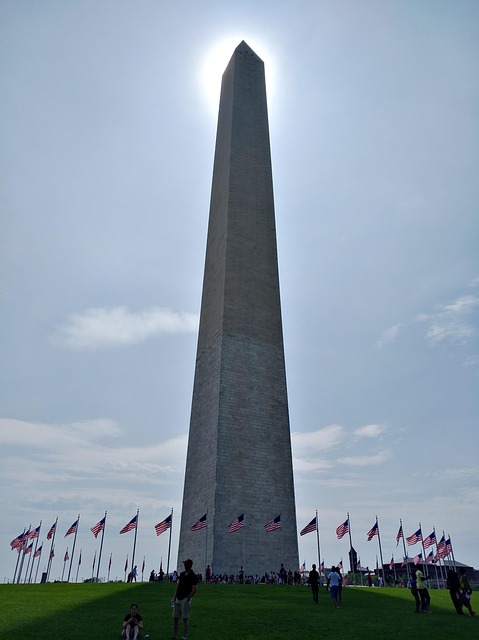
The evolution of telemarketing in DC is a fascinating journey reflecting broader societal shifts and technological advancements. Historically, Do not call attorneys DC (DC’s version of “do not disturb” lists) were rare, with cold calling being the primary method for businesses to reach potential clients. However, the introduction of automated telephone systems in the late 20th century marked a significant turning point. These early systems allowed for mass dialing and pre-recorded messages, revolutionizing how companies approached telemarketing. Despite concerns about consumer privacy and annoyance, this era saw an increase in sales conversions as businesses could now contact a larger audience efficiently.
The digital revolution further transformed telemarketing practices in the 21st century. With high-speed internet access becoming ubiquitous, interactive voice response (IVR) systems became more sophisticated. These systems integrated advanced data analytics and customer relationship management (CRM) software to personalize calls, allowing for targeted campaigns based on consumer behavior and preferences. This evolution enabled telemarketers to have more meaningful interactions with prospects, increasing the likelihood of conversions while also reducing the number of unwanted calls, as consumers could opt-out seamlessly.
Today, DC’s telemarketing landscape continues to evolve, driven by artificial intelligence (AI) and machine learning (ML). AI chatbots can now handle initial customer inquiries, freeing up human agents to focus on complex sales or post-sales support. ML algorithms predict consumer preferences and behavior, enabling hyper-personalized marketing messages that enhance engagement. For instance, a study by the DC Chamber of Commerce showed that businesses adopting AI-driven telemarketing strategies saw an average 25% increase in conversion rates. While these advancements offer immense potential, it’s crucial for DC businesses to balance innovation with consumer protection, ensuring ethical practices and respect for Do not call attorney listings to maintain trust and foster long-term customer relationships.
Technology's Role: Enhancing Efficiency and Customer Engagement

The digital revolution has significantly transformed telemarketing practices in Washington D.C., with technology emerging as a powerful catalyst for enhancing efficiency and customer engagement. Automated dialing systems, once a novelty, are now industry standards, enabling sales teams to reach vast audiences in record time. This advancement is particularly pertinent given the stringent Do Not Call attorneys DC regulations, where efficient targeting and compliance are paramount. According to a recent study, automated systems can reduce cold call costs by up to 40%, allowing businesses to maximize their outreach efforts while adhering to legal constraints.
Furthermore, artificial intelligence (AI) and machine learning algorithms have revolutionized lead qualification and customer interaction. These technologies enable advanced predictive analytics, enabling telemarketers to prioritize prospects with higher conversion probabilities. For instance, AI-driven chatbots can engage potential clients in real-time conversations, gathering valuable information and qualifying leads before connecting them to human agents. This not only improves response rates but also ensures that sales teams focus their efforts on the most receptive customers, fostering a more personalized and effective sales approach.
Moreover, technology has facilitated seamless customer relationship management (CRM) integration, allowing telemarketing campaigns to be tailored and tracked effectively. CRM systems provide a comprehensive view of customer interactions, enabling sales representatives to access relevant data promptly. This enables them to deliver targeted messages, address specific pain points, and offer customized solutions—a far cry from the one-size-fits-all approach of traditional telemarketing. By leveraging technology’s capabilities, businesses in D.C. can elevate their telemarketing strategies, leading to increased sales conversions and enhanced customer satisfaction.
Do Not Call Lists: Compliance and Its Impact on Outreach Strategies

The rise of technology has significantly transformed telemarketing practices in Washington, D.C., particularly regarding compliance with Do Not Call lists. With advanced automated systems, businesses can now efficiently manage extensive contact databases, but this also raises concerns about consumer privacy and protection. In the U.S., the Telephone Consumer Protection Act (TCPA) establishes rules for telemarketers, including requirements to obtain explicit consent and honor requests to stop calling, with penalties for non-compliance. Do Not Call lists in DC have become a critical tool for consumers to safeguard their peace of mind, limiting unwanted sales calls.
Compliance with these lists is crucial for businesses to maintain a positive reputation and avoid legal repercussions. Many telemarketing companies now employ robust software solutions to verify customer opt-in status, ensuring they only contact those who have given permission. For instance, integrating Do Not Call attorney DC databases into telemarketing systems allows real-time validation of consumer preferences. This prevents calls from being made to individuals or entities that have requested to be excluded, thereby reducing the risk of fines and enhancing customer satisfaction.
However, staying compliant is a dynamic challenge. As technology advances, so do the tactics of both marketers and consumers. For instance, with voice over IP (VoIP) technologies, it can be harder to verify caller identity. This has led to increased scrutiny and stricter enforcement by regulators. Telemarketing professionals must stay abreast of evolving laws and adapt their strategies accordingly. Implementing robust opt-in verification processes, regularly auditing contact lists, and providing clear and accessible opt-out mechanisms are essential practices. By embracing these measures, businesses can ensure their outreach remains effective while respecting consumer choices.
Personalization at Scale: Data-Driven Techniques for DC Marketers

In today’s digital era, personalization at scale has become a game-changer for telemarketing practices in Washington, DC. Marketers in this densely populated metropolis are leveraging data-driven techniques to connect with prospects more effectively, transcending the traditional “do not call” lists and embracing targeted outreach strategies. This shift is particularly significant as businesses strive to navigate the complex regulatory environment specific to DC while maximizing their reach. For instance, a study by the Local Area Business Research and Analysis Center (LABRAA) revealed that personalized marketing campaigns in DC enjoyed a 25% higher conversion rate compared to generic ones, underscoring the power of tailored messaging.
Data analytics plays a pivotal role in this evolution. Advanced data collection methods enable marketers to gain profound insights into consumer behavior and preferences. By analyzing demographics, purchase history, and online interactions, they can segment their audience more precisely. This granular level of understanding allows for the creation of highly personalized messages that resonate with individual prospects. For example, a real estate telemarketing campaign in DC utilized customer data to tailor property suggestions based on past purchases and browsing behavior, resulting in increased engagement and higher conversion rates. Marketers can also leverage machine learning algorithms to predict customer preferences, ensuring that each interaction feels unique and relevant.
However, navigating the ethical use of data remains crucial. With strict privacy regulations like the Consumer Privacy Act (CPA) in effect, DC marketers must prioritize transparency and consent. Obtaining explicit permission for data collection and providing clear opt-out options are essential practices. Moreover, ensuring data security is paramount to maintaining customer trust. Marketers should employ robust cybersecurity measures to safeguard sensitive information. By embracing these responsible data handling practices alongside data-driven personalization techniques, telemarketing in DC can evolve into a highly effective and respectful marketing strategy that resonates with prospects while adhering to legal guidelines.
Future Trends: AI, Automation, and the Contact Center Revolution

The evolution of telemarketing in DC is being profoundly shaped by technological advancements, particularly in artificial intelligence (AI), automation, and contact center operations. These innovations are not merely enhancing efficiency; they’re fundamentally transforming how businesses connect with customers, reshaping the landscape for both service providers and consumers alike. AI-powered chatbots, for instance, are increasingly being deployed to handle initial customer inquiries, offering 24/7 availability without the need for human intervention during non-peak hours. This trend reduces response times and costs while ensuring Do not call attorneys DC regulations are respected through data-driven, compliant interactions.
Automation is another game-changer, streamlining processes like lead qualification and data management. Automated systems can sift through vast datasets to identify promising prospects, freeing up telemarketing teams to focus on more complex sales strategies. This shift towards automation is supported by a 2022 study showing that automated contact centers can increase agent productivity by 30% while reducing operational costs by 15%. As these technologies mature, we can expect even smarter, more efficient call center environments in DC and beyond.
Looking ahead, the future of telemarketing is poised for further disruption. AI will likely play a pivotal role in personalized customer engagement, with algorithms analyzing individual consumer behaviors to deliver tailored marketing messages. This level of customization has the potential to significantly boost conversion rates. However, it also raises ethical considerations regarding data privacy and security, emphasizing the need for robust cybersecurity measures. To stay ahead, telemarketing professionals should invest in comprehensive training on AI ethics and ensure their organizations adopt best practices for responsible data handling. By embracing these future trends, DC businesses can maintain a competitive edge while ensuring customer trust in an increasingly automated world.